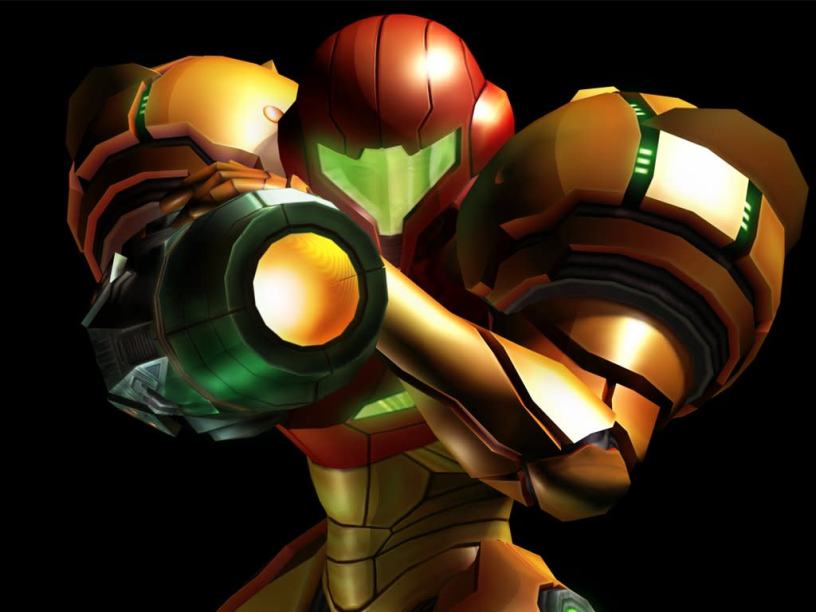
If you’re a Metroid fan, August 6, 2016 was a special day. Especially if you’re a fan that has been following the series since the ’80s. It was the 30th anniversary of the original Metroid, which released in 1986 on the Famicom and the Nintendo Entertainment System.
If you follow Nintendo on social media though, you would never have known this. Nintendo said nothing about it. Not even a Facebook post or tweet. Nothing from Nintendo acknowledging the birthday of one of their most influential and acclaimed game series. Silence.
However, something positive did happen on August 6th for Metroid fans. DoctorM64’s long-awaited fan passion project, Project AM2R (Another Metroid 2 Remake), was released to the public.
DoctorM64’s real name is Milton Guasti, and Project AM2R is a fan remake of Metroid II: Return of Samus, which originally released on Game Boy in 1991. He worked on it for ten years by himself. The end result is something fans have long been asking Nintendo for: a remake of Metroid II – and on Metroid’s birthday no less.
After six years of silence and being ignored by Nintendo about the series, fans finally got a new game. Or at least a remake of an old game – but not from Nintendo.
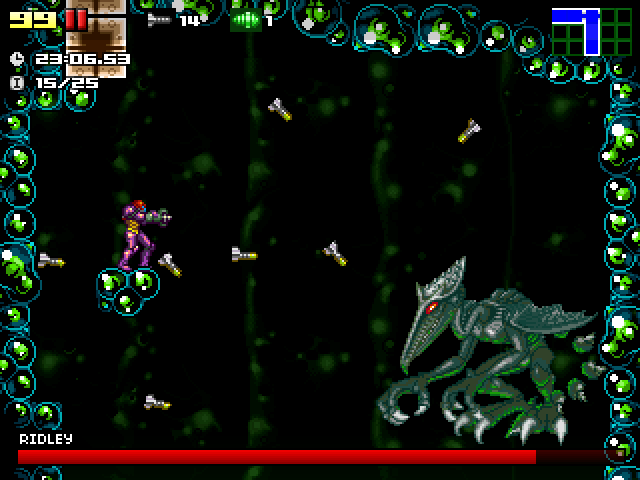
AM2R got great buzz, but then the expected DMCA notices were issued by Nintendo to websites hosting or linking to the game. After ten years of work, it was taken down from Project AM2R’s website.
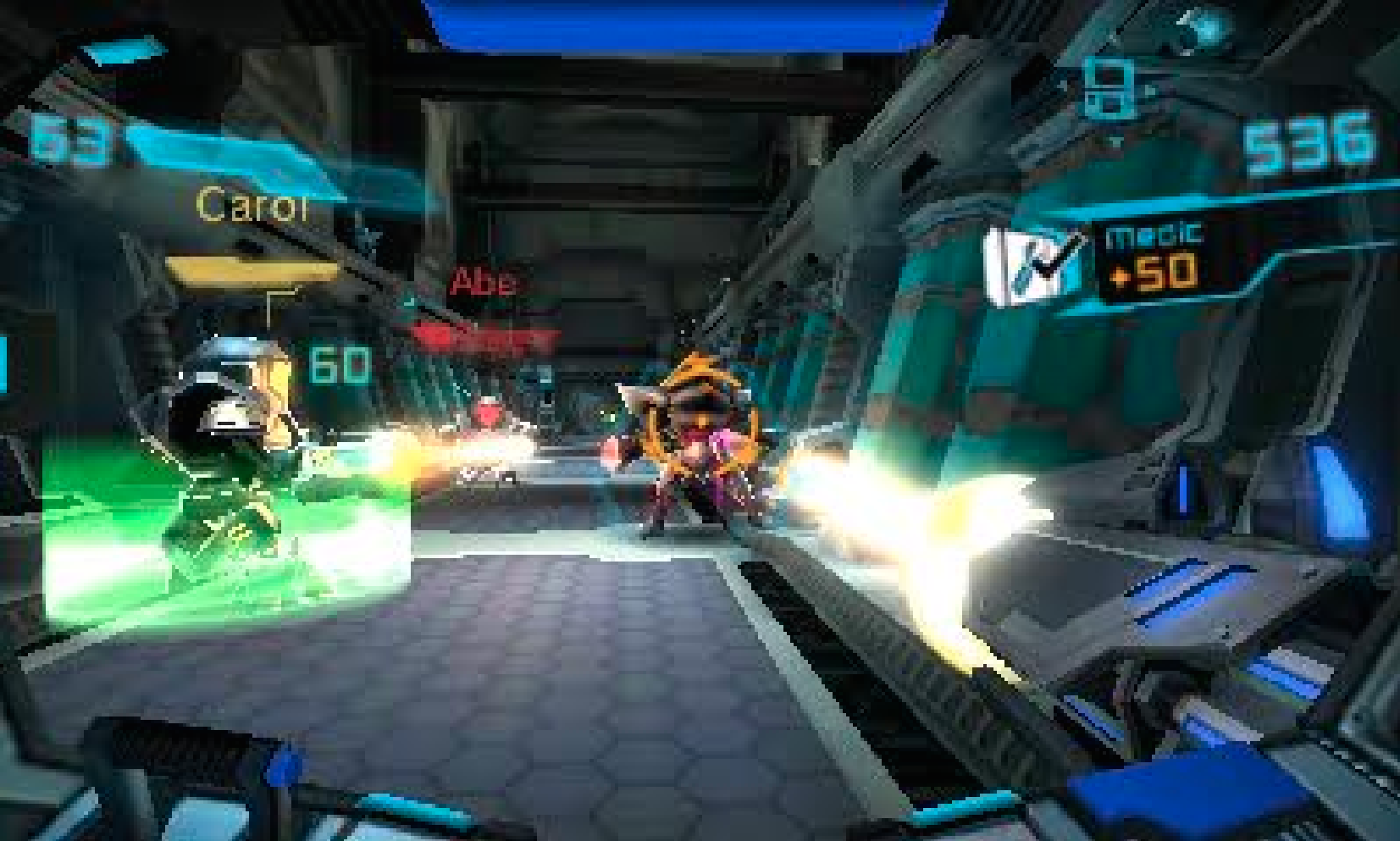
The next day, Nintendo released another trailer for the fan-maligned Metroid Prime: Federation Force for 3DS.
So sad.
Nintendo seems consistently tone deaf to what Metroid fans want, and the last few days are the latest chapter.
Nintendo is well within their legal rights to have Project AM2R taken down. However, if this had been Blizzard or Valve, not only would they likely not have had the game taken down, they probably would have hired DoctorM64 to come work for them.
The work and passion that went into making something like AM2R as an indie-fan project deserves some recognition or acknowledgement. If Nintendo will not give it to them, Metroid fans certainly will, as AM2R is being celebrated by every fan on the planet. Certainly much more than Federation Force.
What Nintendo has been doing (and not doing) with Metroid these last six years is not new, and is where a lot of the frustration from fans toward Federation Force is coming from. Federation Force is not the game fans want. They don’t want a multiplayer, co-op shooter. To know what fans do want, all you have to do is look at the history of the series.
There are those that believe that, for all the success they’ve enjoyed with Mario, Zelda, and Pokemon, the Metroid series is Nintendo’s greatest creation – and quietly one of its most influential.
It’s a series that eschews the usual colorful visuals and welcoming characters most of Nintendo’s games feature – or the bombastic, frenetic action featured in many of today’s action and first-person shooter games – and defines itself with exploration, eerie atmosphere, and subtlety. In fact, it seems to revel in it.
It’s a series whose first three games were so severe in their impact and influence to those that played them – gamers and developers alike – that a whole new genre was birthed that modeled itself after the Metroid gameplay mold.
Konami’s Castlevania series, which reinvented itself to follow the Metroid formula, was the most notorious. They were successful enough doing so that from 1997-2008, Konami released seven Castlevania games over three different systems that all imitated, but never bested, Super Metroid’s core game design. Thus, a new term was born for the new Metroid-inspired genre: Metroidvania.
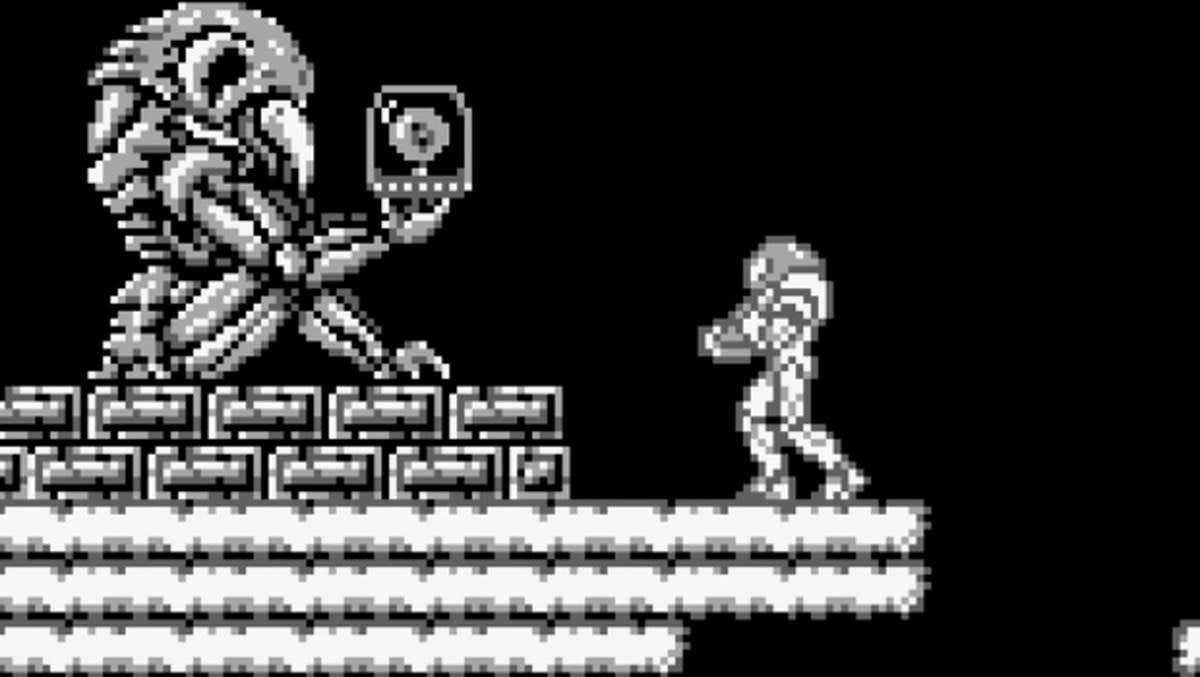
Most notable in the early days of Metroid was Super Metroid (or Metroid 3) for the Super Nintendo Entertainment System. Today, Super Metroid is acknowledged as one of the greatest games ever – but that didn’t happen overnight. Super Metroid originally released in 1994, the same year as Donkey Kong Country.
Donkey Kong Country stunned the gaming world with its cutting-edge graphics and character animations, which were unprecedented on a console for that time. Not to mention, its huge sales gave the Super Nintendo the permanent advantage in its heated rivalry with Sega’s Genesis console.
Donkey Kong Country was a huge game for Nintendo in 1994 and 1995, with lots of buzz coming from gaming and mainstream press alike. So suffice it to say, in the mid-90s, gamers were not really talking about Super Metroid in the hushed whispers of reverence the way they do today. It was not until the Metroid resurgence in the 2000s that Super Metroid began to occupy its lofty place in the gaming pantheon.
As more Metroidvania games came out imitating Super Metroid – yet always seeming to fall short – Super Metroid’s reputation elevated. It now sits at the #1 spot on many greatest games lists.
However, little did fans know that Super Metroid would be the last they would see of the series for almost a decade.
In 1996, Nintendo released Super Mario 64 for the Nintendo 64. Super Mario 64’s impact on gaming is another story for another article, but suffice it to say that after Super Mario 64 and Zelda: Ocarina of Time released, 2D games were not in demand the way they once were. 2D was yesterday. 3D was the future and everyone wanted to explore what it had to offer.
Meanwhile, the Metroid series never got a release on the Nintendo 64, which did nothing to bolster Super Metroid’s reputation, or the series’ reputation in general in the late ’90s. After Super Metroid released in 1994, fans were treated to a drought that lasted eight long years, all the way through the Nintendo 64’s lifespan and into the GameCube and Game Boy Advance years.
The reason for Metroid’s conspicuous absence on the Nintendo 64 seemed to be two-fold: one, Nintendo had no clear vision at the time how to bring the series into 3D the way they did Mario and Zelda. They even went so far as to ask an outside developer to make Metroid for the Nintendo 64. Secondly, Gunpei Yokoi, the leader of the R&D1 team at Nintendo that developed the Metroid series, left Nintendo. Soon after, he tragically died in a car accident.
It wasn’t until Nintendo’s partnership – and later ownership – with Retro Studios that Metroid was able to achieve a stunning renaissance and the transition to 3D that did the series justice.
On November 17, 2002, Nintendo released Metroid Prime for the GameCube and Metroid Fusion (or Metroid 4) for the Game Boy Advance, both on the same day. This marked the beginning of Metroid’s resurgence that lasted the rest of the decade, and are the best years the series has seen up to this point. Both games were well-received by fans and critics.
For fans, after the long drought and the months of hand-wringing about Retro’s capabilities to properly take Metroid into the third-dimension, it was a downright celebration. Retro didn’t disappoint and Metroid Prime is considered one of the best games of the GameCube/PlayStation 2/Xbox generation.
After that, during the 2000s, the tide seemed to be turning and fans were treated to an avalanche of Metroid games. From 2002-2010 Nintendo released a total of eight Metroid games over four different systems.
- Metroid Prime – Nintendo GameCube (2002)
- Metroid Fusion – Game Boy Advance (2002)
- Metroid: Zero Mission – Game Boy Advance (2004)
- Metroid Prime 2: Echoes – Nintendo GameCube (2004)
- Metroid Prime Pinball – Nintendo DS (2005)
- Metroid Prime Hunters – Nintendo DS (2006)
- Metroid Prime 3: Corruption – Nintendo Wii (2007)
- Metroid: Other M – Nintendo Wii (2010)
However, outside of this golden age of the series, many long-time fans feel that Nintendo has consistently treated Metroid as a second-tier IP. While Mario, Zelda, and Pokemon always seem to get consistent releases, and are lighting up the sales charts for Nintendo, the Metroid series gets treated to long droughts and non-committal answers from Nintendo about its future.
Metroid on the NES was easily the best sci-fi game on the console, and earned itself respectable sales and a dedicated following. Nintendo thanked fans for their support by putting Metroid II on Game Boy, a system incapable of handling the game’s scope, and with a monochrome display. For the sequel to a game that is as atmospheric as the original Metroid is, monochrome graphics don’t do it justice. Metroid II: Return of Samus should’ve been an NES game.
Super Mario got three releases on the NES, and The Legend of Zelda got two. Metroid only got one – and not a proper console sequel for eight years – and not another sequel after that for another eight years. For a series that has been as influential as Metroid has been over its lifetime, single-handedly creating a whole new video game genre, Nintendo always seems to eventually find a reason to not make it a priority.
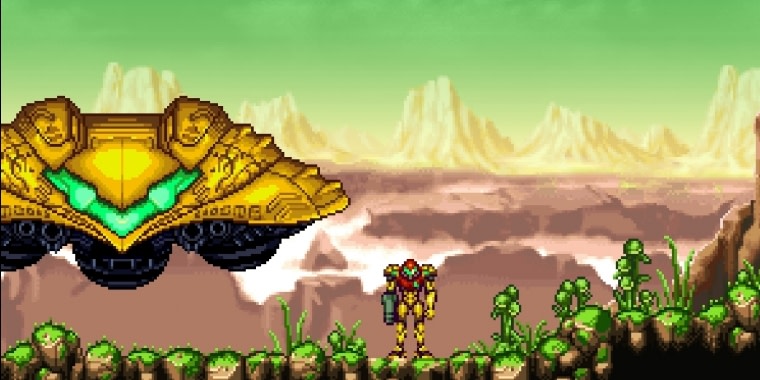
As of right now, fans are in year six of another Metroid drought. The last game fans saw was Metroid: Other M for Wii. This month, Nintendo will be releasing Metroid Prime: Federation Force for the 3DS, a game fans have been very vocal in their displeasure about.
Meanwhile, Project AM2R will continue its existence on torrent sites and receive updates and patches by DoctorM64 as they’re needed. Let’s hope Nintendo has something up their sleeve for the future, as their apathy and indifference towards Metroid and its fans is reaching an all-time high.
Fans dream of the day when Nintendo will realize how truly special their seminal sci-fi franchise is and consistently give it the same respect they ascribe to their other top-tier game franchises. No other Nintendo series with as much cache as Metroid has these long droughts. It’s unfortunate, and fans everywhere look forward to another great Metroid resurgence as we follow the adventures of Samus Aran around the galaxy, fighting Space Pirates, exploring beautiful and exotic alien planets, and hunting bounty.
 The Gamer's Standard