At E3 2015, Nintendo unveiled their first Metroid game in five years. Hungry fans held their collective breath:
Is this what Retro Studios have been working on since finishing Donkey Kong Country: Tropical Freeze for Wii U?
After 11 years since Metroid: Zero Mission, would it be another stellar 2-D offering?
Would it be the long-rumored Metroid Dread?
Nope, nope, and nope.
How about a Metroid Prime shooter that casts aside the exploration, immersion, and power-ups the series is famous for in favor of team-based gameplay?
And oh yeah, you don’t play as heroine Samus Aran like you have in every other game in the series – one of the most powerful and iconic video game characters ever made. You play as a generic Federation soldier. Sound good, Metroid fans?

Suffice it to say, the E3 trailer announcement went on to become one of the most ‘disliked’ trailers ever for a Nintendo game on YouTube. Thus began the saga of Metroid Prime: Federation Force.
Nintendo has never been a developer to shy away from trying something unexpected if they feel it has potential. Sometimes they strike gold, and sometimes it’s a swing and a miss. Federation Force falls somewhere in the middle.
If you can accept it for what it is, which is an objective-based shooter with small, bite-size levels appropriate for a handheld game, Federation Force is not a bad game.
If you know what you’re getting going into it, and aren’t expecting a traditional Metroid Prime game, you should enjoy it. It doesn’t achieve the greatness of the GameCube and Wii installments, but it’s good at what it attempts to do, assuming you have people to play with either locally or online.
None of this by itself is controversial. The controversy comes from the demands and expectations of what fans expect from a Metroid game.
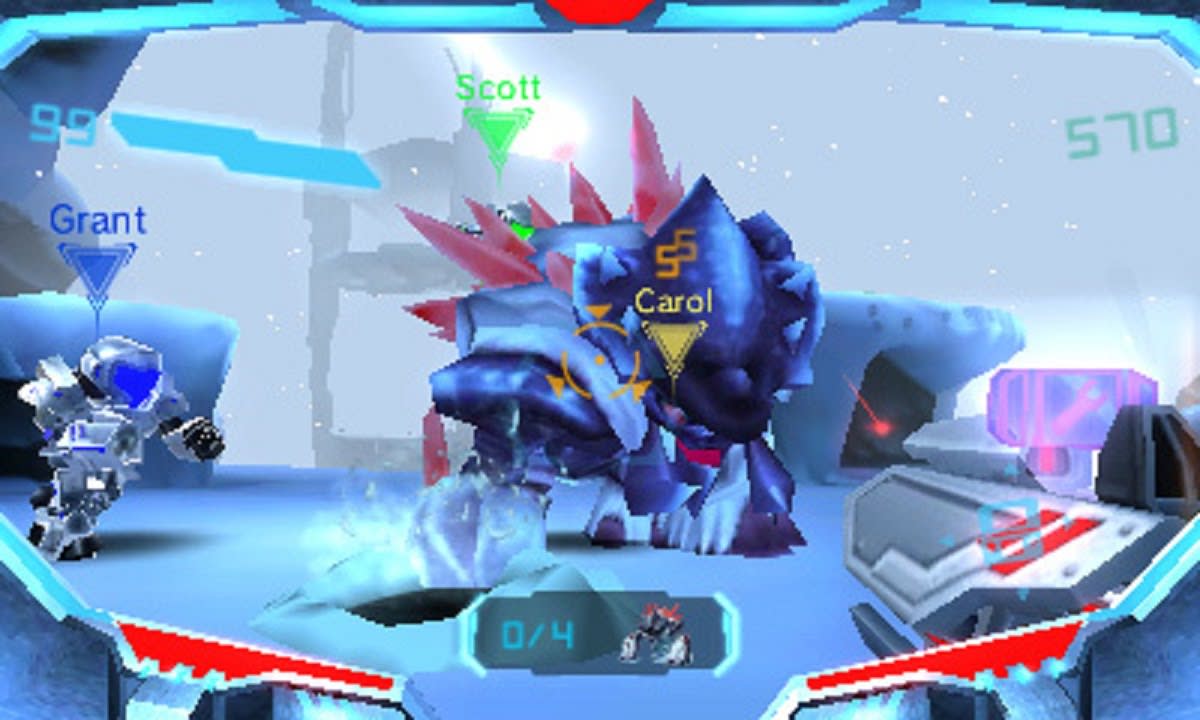
The constant mantra you hear from fans about Federation Force is ‘This is not what we want. This is not Metroid.’ And given the series’ legacy over the last 30 years, and the severe impact it has had on gamers and game developers alike, they have a point.
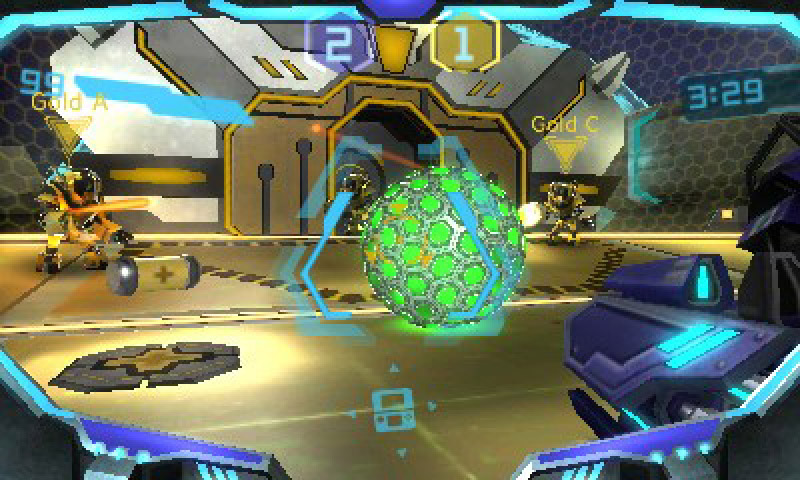
Federation Force looks like a Metroid Prime game, it controls like a Metroid Prime game, and it has some of the atmosphere of a Metroid Prime game – but it doesn’t play like a Metroid Prime game. Metroid is not a series that is synonymous with teamwork and cooperative gameplay by any stretch. In fact, just the opposite.
As fans, it’s frustrating that Nintendo went to the trouble of making a game that is close to being a traditional Metroid Prime game, but isn’t.
How excited would fans be, after six years of no Metroid at all, to get a 2-D or 3-D stand-alone game for the 3DS to tide us over until the next major console release? Fans would be elated. Celebrations would ensue with fans hugging each other with tears in their eyes that Nintendo had not abandoned them.
They were so close.
Federation Force would have a more welcoming audience if it hadn’t been so long since Nintendo had released a Metroid game – and if it hadn’t been even longer since they had released a proper Metroid Prime game. The last Metroid game, Metroid: Other M, came out in 2010. The last Metroid Prime game, Metroid Prime 3: Corruption, came out in 2007.
If fans had gotten a traditional Metroid game in 2013 or 2014, Federation Force would be seen by most as a healthy snack before the inevitable next game in the series. Something to tide the faithful over until the next chapter hits.
A team-based shooter that abandons the solitary loneliness, exploration, wonder, and sense of discovery the series is known for is jarring because it abandons the essence of what defines the series. It’s not what fans want.
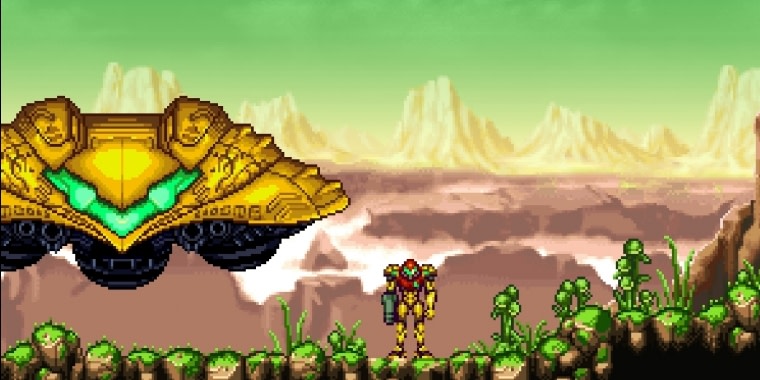
Fans dearly want another 2-D Metroid game from Nintendo. That hunger has been somewhat assuaged by the recently released AM2R project.
Nintendo, on the other hand, seems to be in no big rush to make one. Why?
What it comes down to is sales. If 2-D Metroid games were selling 25 million copies a pop the way 2-D Mario games did on Wii and DS, I guarantee Nintendo would find the time and resources to make one. But they don’t, and therefore it’s not a priority for them. Metroid has never been a colossal seller the way Mario, Zelda, and Pokemon have been, and therefore Nintendo needs less of an excuse to not prioritize it when a game in the series doesn’t sell up to expectations.
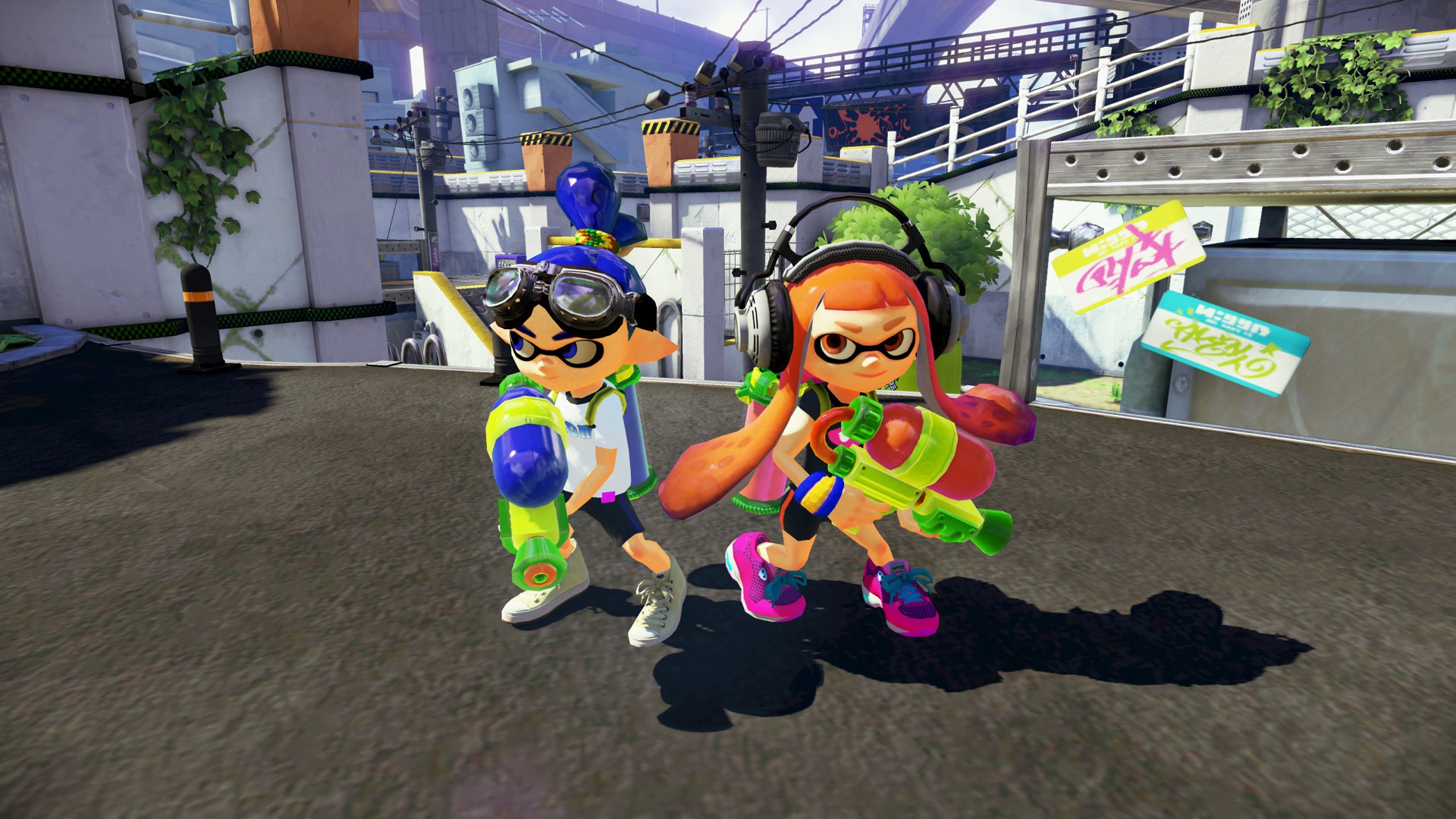
What is selling well for Nintendo right now is Splatoon – a team-based online shooter that has come out of nowhere and surprised everyone, even Nintendo. It’s a sleeper hit for Wii U. While I’m not privy to Nintendo’s inner motivations for creating something like Federation Force, and while they don’t play the same, there are definite similarities between Federation Force and Splatoon.
It would not surprise me if Splatoon’s success played a factor in Nintendo’s decision to take the Metroid series in the direction they did. It’s unlikely anyone would’ve cared about Federation Force if it didn’t bear the Metroid moniker. It’s the game’s biggest strength and biggest weakness.
Sales figures for Federation Force haven’t been released yet, and the game has yet to release in Europe. However, if the tepid online community is an indication at this point, it doesn’t appear to be capturing the imagination of Metroid fans or gamers in general.
It’s not that fans don’t want to see Nintendo implement new ideas into Metroid. They just don’t want those new ideas at the expense of what they’ve loved about the series since it began. Fans are angry and cynical about the future of Metroid right now. Here’s hoping Nintendo gets the message loud and clear, and gives fans what they want.
 The Gamer's Standard