Before StarCraft, before Diablo, before Overwatch, there was Warcraft.
Not World of Warcraft. Just Warcraft.
Warcraft: Orcs & Humans released for PC in 1993. It was followed by Warcraft II: Tides of Darkness in 1995. Warcraft II was my introduction to the strategy genre in video games.
I first heard the name Blizzard in the mid ’90s. I was not a big PC gamer at the time. Most of my gaming time was devoted to Nintendo consoles. However, a little game had come out for PC called Warcraft II: Tides of Darkness. It was made by a developer I had never heard of before, who went by the name of Blizzard Entertainment.
I heard about this game not because of the internet, which barely existed at the time. Nor did I hear about this game because of gaming magazines. I heard about this game because I had a younger brother who absolutely would not stop talking about it.
To this day, I’m not sure how he first encountered Warcraft II. But wherever it happened, however it happened, it left a massive impression on him. He eventually got his hands on a Shareware version of the game (a ’90s term for demo), and played it constantly. When he wasn’t playing it, he was telling me about it – every nuance and detail about the game, literally following me around the house talking to me about it.
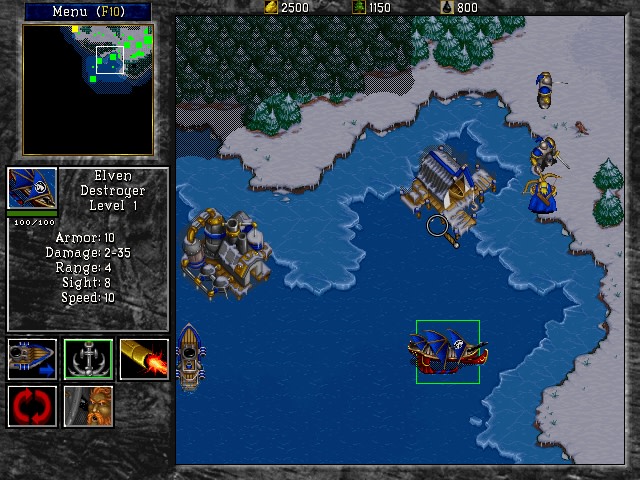
This was my introduction to Blizzard. Being a gamer myself, naturally I was curious as to what had my 12-year-old brother so fired up. So I would sit down with him and watch him play.
Real-time strategy was a new genre for me, and I didn’t understand most of what was going on at first. But he explained a lot of what he was doing. Eventually, I tried the game myself, and was soon hooked. The game was really good. The feeling of building a town – and an army, and a navy to defend that town – and then using that to demolish an enemy orc town was very satisfying.
There was only one problem: We couldn’t play the full version of the game. Our family computer was a 386 Packard Bell. Warcraft II required a hefty 16 megabytes of RAM, and our computer only had eight (don’t laugh, this was the mid-’90s). A bummer, but that didn’t stop my brother. He saved up what little money he had for some extra RAM, bought it, and even installed it himself.
I sat with him in the computer room as he cracked open the family computer, ready to perform what we thought was major surgery. Installing a stick of RAM and moving some jumpers around is nothing major, but we didn’t know that at the time. This was a big deal.
It felt like the scene in A Christmas Story, where Ralphie is decoding the Little Orphan Annie secret message. Nerves were high, the implications of success or failure: massive. He didn’t want to do something wrong and break the family computer that cost hundreds of dollars.
I was by his side as his assistant, not doing much other than offering moral support. After opening the computer, the RAM easily snapped into place. Jumpers were adjusted to their appropriate place, quick and easy, more so than I expected. He closed the computer up and booted up his newly bought full version of Warcraft II: Tides of Darkness and Beyond the Dark Portal expansion. We stared at the monitor, holding our breath, and watched the opening cutscene materialize:
A few weeks ago, I decided to dust off my copy of Warcraft III. I never beat The Frozen Throne expansion when it was first released. Playing it, I’ve been impressed at how pitch-perfect the gameplay still is. The graphics look dated, but I can’t think of one major complaint or gripe about the gameplay, or anything about it that feels dated by today’s standards.
Warcraft III still feels incredibly polished. Blizzard could go back, redo the graphics while leaving everything else intact, and it would get a sale from me.
Generally speaking, most of Blizzard’s games have aged very well. In fact, its longevity is unmatched by almost any other developer. Nintendo coined the term “evergreen titles”, but even their most popular Wii and DS games that sold for months on end would have a hard time matching Blizzard’s longevity. Whereas most games are lucky to occupy retail shelf space a year after their release, Blizzard games sit on retail shelves for several years following their release. StarCraft and Diablo II were on store shelves for around 10 years after they came out. By industry standards, that’s unheard of.
Diablo II is still revered in the PC gaming community. So much so that Blizzard recently released a patch to the 16-year-old game, with a promise that patches to more of their older titles are on the way. A few days later, we got a patch to Warcraft III that enables it to run on newer PC operating systems. No other developer I’m aware of does this for their games, years after release. Warcraft III now runs on my Windows 10 laptop without a glitch.
The same has been true for the original StarCraft, which was on retail shelves for a ridiculous amount of time. Blizzard is now rumored to be working on a remastered version of its seminal strategy game. Being a Blizzard fan for more than 20 years now, I’m thrilled that the company is showing a pattern of supporting their old games. A remastered or remade StarCraft would be a big deal, especially in South Korea where the series is a national obsession.
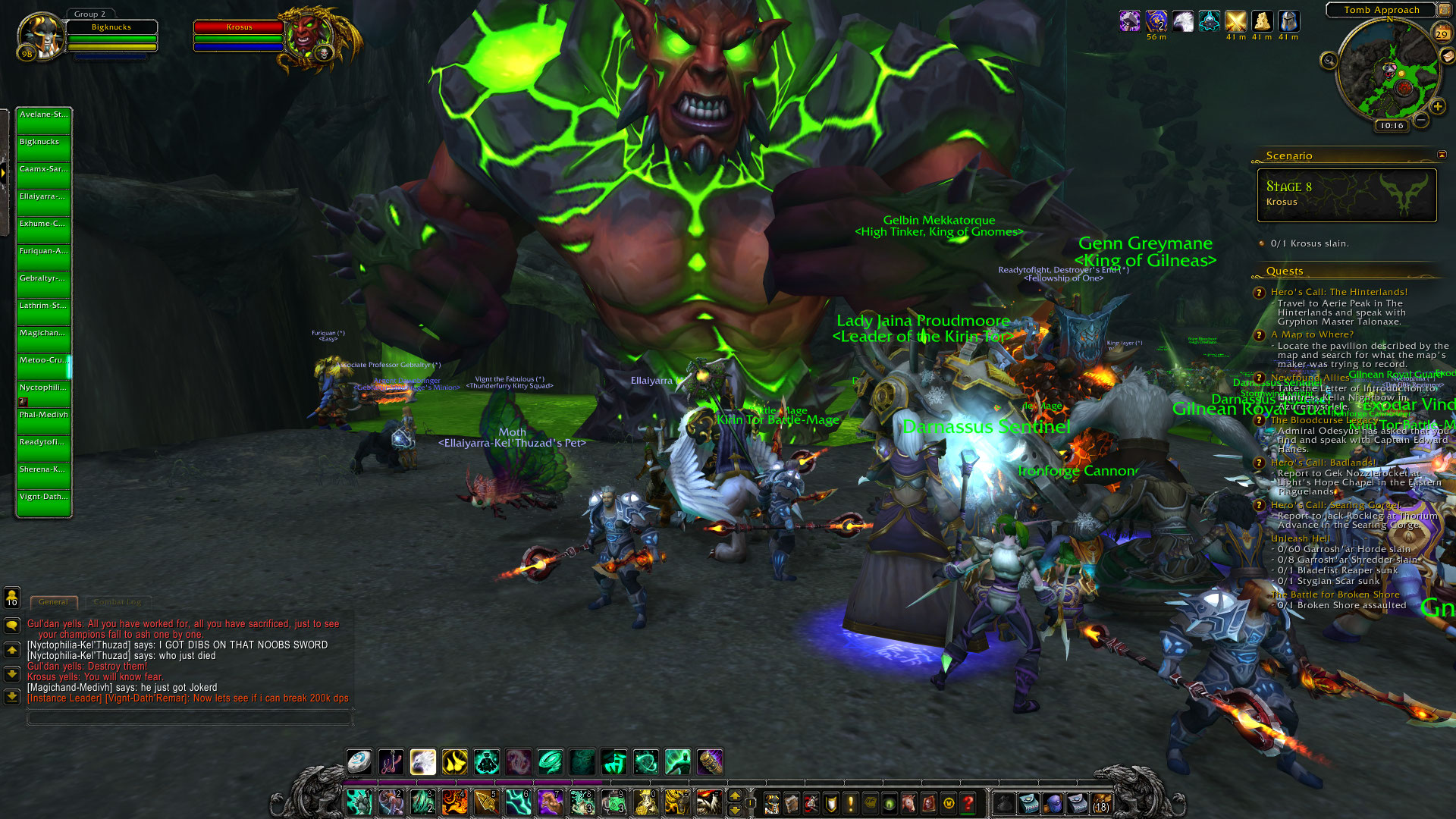
World of Warcraft has been Blizzard’s ultimate cash cow. While I celebrate its success, I do think it’s time to remind gamers who grew up with the series — and gamers who are too young to remember — where Warcraft was born. I know Blizzard had been busy getting the StarCraft 2 expansions out the door and releasing Overwatch. But it’s time for the brains at Blizzard to make Warcraft IV. It’s been long enough.
The StarCraft series is the favored Blizzard series by many when it comes to real-time strategy, but for me and many others it all started with Warcraft. I hope Blizzard doesn’t forget that. As great as World of Warcraft is, there are fans out there who want to see the series get back to its real-time strategy roots.
Give us Warcraft IV, Blizzard! That is, if you’re not already making it, which you very well might be. And thank you for supporting your old games. We still love them. Zug-zug.
 The Gamer's Standard