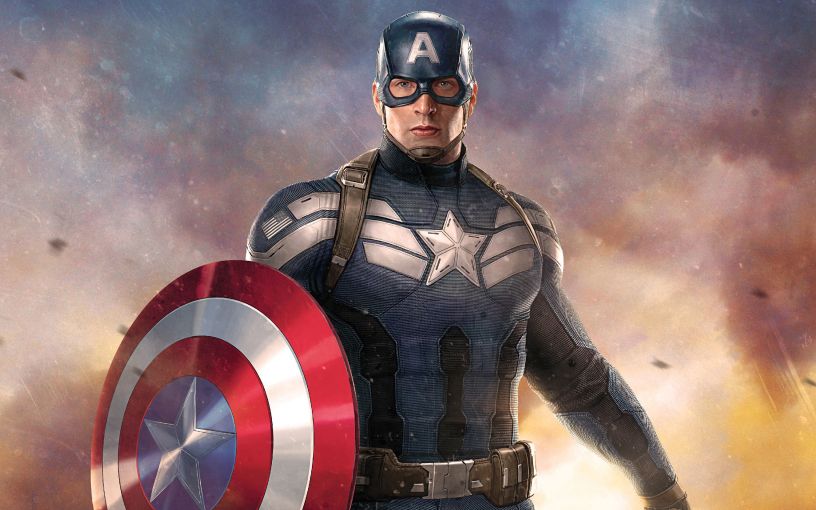
Are the Avengers held to a different moral standard than everyone else?
Are they unfairly judged because, although they are a positive force, they can’t fix everything?
Do they overstep their boundaries, and end up doing more harm than is acceptable?
Do the Avengers need oversight and supervision to be told what to do, and where to go, for their “protection,” and the protection of others?
What would the world in the Marvel Universe be like if the Avengers didn’t exist?
Would it be a better place, or would it be a place of tyranny and oppression?
These are the questions posed in Captain America: Civil War, a superhero movie that attempts to explore a more human side of the Avengers’ exploits. They’re confronted with the collateral damage their actions and battles have caused, and the human toll it’s taken.
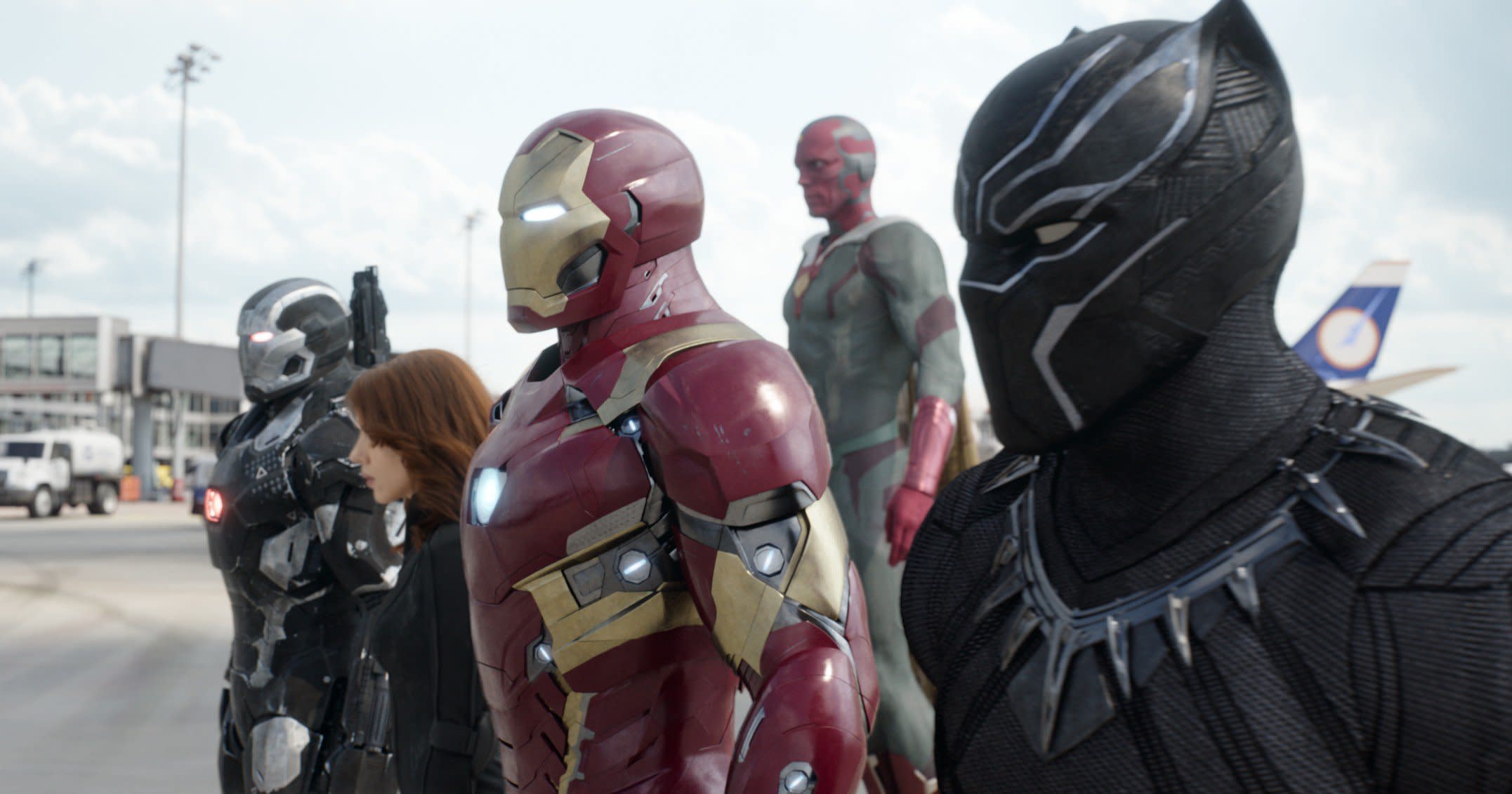
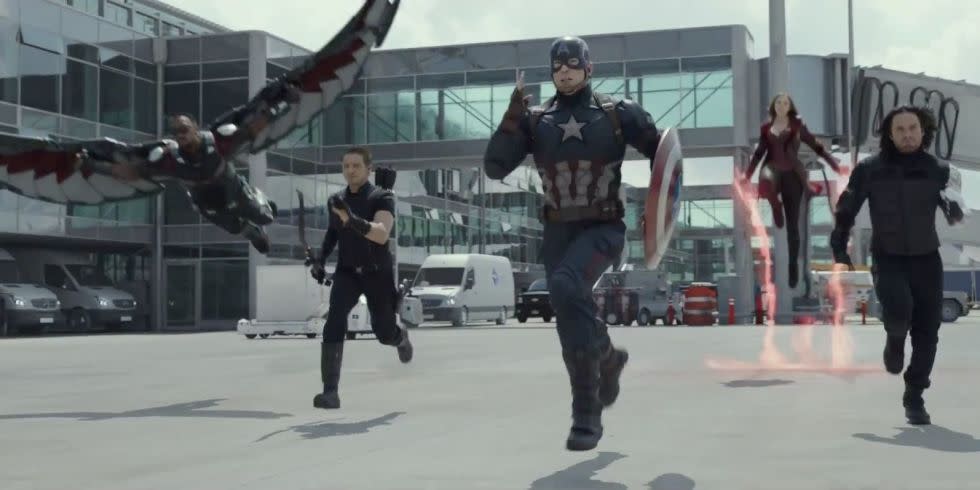
The argument is presented on both sides and escalates into an all-out – well, civil war, with the Avengers splitting into two groups and beating the hell out of each other, fighting for what they believe is the right answer.
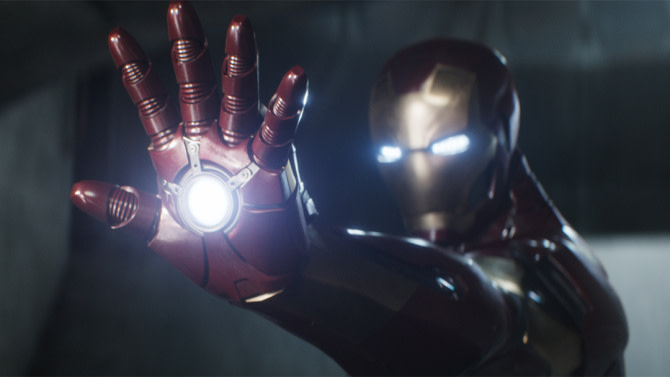
On one side, there is Iron Man, who believes the Avengers are out of control and need to be reined in. On the other side, you have Captain America, who believes that while unfortunate and tragic, collateral damage is the price of doing what they do. They can’t save everyone, but they can save some, if not most.
It’s an interesting dichotomy in which the rights of the individual versus the rights of the many seem to be on display. Individualism versus collectivism, in a sense.
Take the same questions that are being asked in Captain America: Civil War and apply them to, let’s say, the United States.
Is the United States held to a different moral standard than other countries?
Is it unfairly judged because, even though it’s a force for good, it can’t fix everything, and sometimes makes mistakes? Sometimes big ones?
Even though the USA does much good in the world, does it overstep its boundaries and end up doing more harm than is acceptable?
Does the United States need oversight and supervision – to be told what to do and where to go for our “protection”? For the protection of others? Is that argument why we are so divided as a country?
What would the world be like if the United States didn’t exist? Would it be a better place, or would it be a place of tyranny and oppression?
Is the United States an exceptional country, or are we just another country in the global village?
It’s a lot to think about, and an interesting angle Marvel went for in this movie. It’s a discussion that has been ongoing in the United States since the 1960s. It’s relevant to what is currently going on in the country right now, especially with the impending presidential election. Whether it was Marvel’s intent to draw the parallels, they are certainly apparent.
When storytellers weave elements like that into a story, when they take an idea (or in this case, a conflict) and frame it in a way that is simple, yet makes you think, those are the kind of stories that draw in the viewer. It feels like a modern-day parable. Because of this, Captain America: Civil War has more going for it than the standard Marvel movie fare of nonstop action scenes full of evermore superhero characters that one has a difficult time remembering or keeping up with. Civil War is refreshing.
Obviously, Captain America embodies the side that says the Avengers must remain independent and retain their freedom. This will maximize their potential to fight the type of evil and tyranny that only they are capable of combating. Collateral damage happens on any battlefield. While tragic, and while the innocent dead should be mourned and never forgotten, that is the price of freedom.
On the other side you have Iron Man. He doesn’t have the military soldier background and training that Captain America possesses. Therefore, he has a much more difficult time processing the destruction and loss of life their battles have wrought. He believes the Avengers have become out of control. With the proper oversight and supervision from the leaders in the global community, they can be reined in and properly dispatched when said leaders believe they’re needed. The Avengers would no longer be their own, but would give up their autonomy and independence for the “greater good”.
Both sides have strong arguments, but only one side can be right. This is an argument where no middle ground can be reached. Either the Avengers are autonomous, or they are not. Either they’re a group of freedom fighters that choose how, when, and where to do what they do, or they’re tools – slaves, essentially – that are used and applied how, when, and where their masters see fit. Their abilities, talents and freedom are no longer their own, but subject to leaders who will have their own agendas and will use them like tools to further that agenda.
Would an abdication of the Avengers’ freedom and autonomy make the world a better place?
Would the United States doing something similar make the world a better place?
Or is the USA the only safeguard left preventing something much worse from taking root?
With great power comes great responsibility, but does that entail taking the blame for everything? All loss of life? All the collateral damage that may have been unavoidable?
I couldn’t help but notice that a lot of the same accusations that are leveled at the Avengers in Captain America: Civil War have also been leveled at the United States in some form from those who believe they’ve done more harm than good in its 240 years as a sovereign nation. It has grown more intense in the last 15 years since the United States has been at war. And even more intense still since Barack Obama became president.
Is the USA to blame for radical Islamic terrorism? Has it brought this conflict on itself? What could we have done differently? Is it an exceptional country, or is it the bad guy in this conflict? Does the USA need to be reined in and give up its rights for the “greater good”, and to better serve the global community?
The human race has an inborn inclination to look for leaders, saviors, or messianic figures who can save us from ourselves, and each other when it’s needed – and when they fall short of our expectations, it’s easy to not only blame them for their own mistakes, but also the mistakes of others for not fixing them. Also for conflicts, violence, and loss that may have arisen that may not be their fault. They get the glory when things go right, but also get the shame and abuse when things go wrong.
Captain America: Civil War made a good first step in exploring the moral side of being a superhero, and having to answer for their actions when things don’t go according to plan. We see that, even though they can fix a lot of things, they can’t fix everything, and even make mistakes. They aren’t always the messiahs some hoped they would be. Because of that, they’re held to a different set of standards. We see that they are flawed and human. (Well, most of them are human, I’m not sure about Vision.)
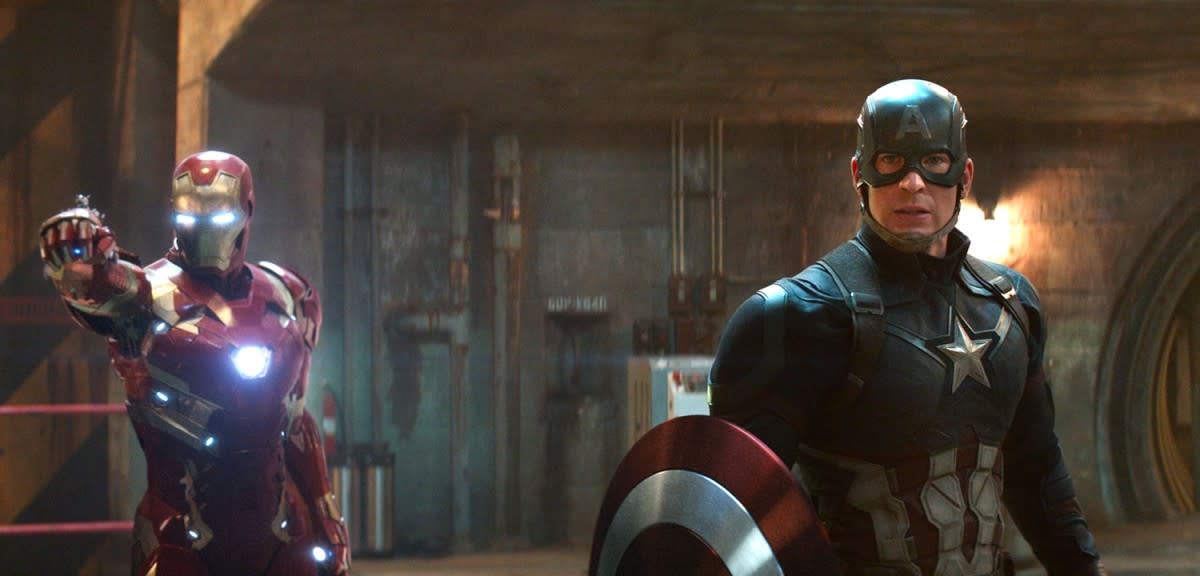
This was the underlying theme for all of Captain America: Civil War. While I thought Batman v Superman: Dawn of Justice toyed with this theme, Civil War made it a central pillar.
If Captain America represents the United States (which I don’t think is a stretch), and represents all that is good about it, then the USA will always do what it does, mistakes and all. It will continue to take the abuse when things go wrong along with the praise when things go right, because that’s what heroes do. That’s what leaders do. They shoulder responsibility and fight for their convictions without thought to how popular those convictions might be at any given time.
I think many of our politicians in Washington D.C. could learn a lot about leadership from Marvel and DC’s movies.
When I see that a heroic figure has some sort of flaw or weakness, it makes them more endearing to me. When I seem them struggle, when I see them make mistakes, it becomes something I can relate to, since we all struggle and make mistakes. And it gives me hope that if someone like that can struggle, but can overcome, maybe I can as well.
In that sense, we can all be heroes. Because great power doesn’t form character, it reveals it.
 The Gamer's Standard