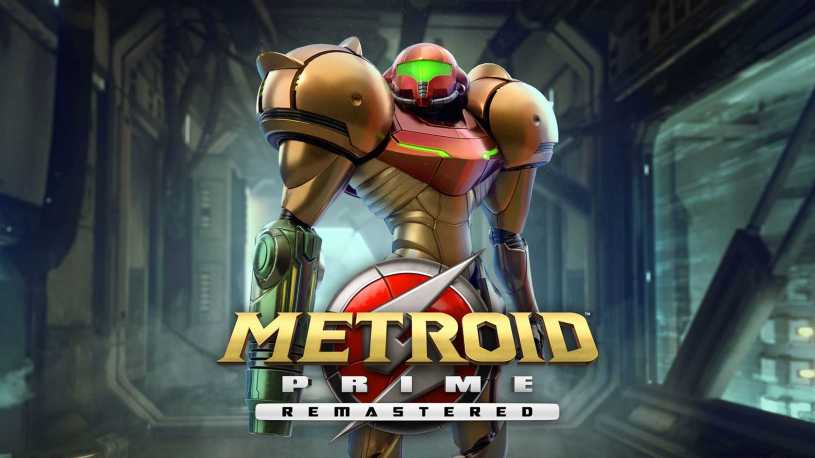
In 2002, Metroid Prime on GameCube was the perfect realization of Metroid brought to the third-dimension. Nintendo had already done it with Super Mario and The Legend of Zelda on the Nintendo 64 to massive success. However, other than Samus being a playable character in Super Smash Bros., the Metroid series was conspicuously absent on the Nintendo 64. It was Metroid’s turn.
By the time Metroid Prime finally released, it had been eight years since Super Metroid. Prime’s mechanics and presentation were so polished and seamless, it was like seeing a video game from the future. It was astonishingly good. Nintendo dubbed it a ‘first-person adventure’, and made a point to make this distinction to try and set it apart from Halo, which was dominating the conversation of first-person shooter games at the time. Metroid fans loved it, but some new players didn’t. They thought it was supposed to be a standard FPS and a direct Halo competitor, only to have to deal with backtracking, scanning, and an overall slower-paced experience. The Metroid series had always been somewhat niche and Metroid Prime, as good as it was, ended up being no different.
In truth, other than its first-person perspective, Metroid Prime plays nothing like Halo or any other FPS game. It has more in common with immersive sims like Deus Ex and System Shock 2 – games that have plenty of action, but are slower and more methodical than a run and gun first-person shooter.
Metroid Prime Remastered is just that: a beautiful new remaster of one of Nintendo’s all-time classics. It shouldn’t be understated how gorgeous it looks. It wouldn’t be hyperbole to say Metroid Prime Remastered is the most graphically impressive game Nintendo has ever made, or had their name attached to. It’s non-stop eye-candy. Retro’s art direction shines through ever pore and still looks superb. The lighting is beautiful, the framerate never dips below 60, and it’s accompanied by one of the greatest soundtracks ever to grace a video game. Kenji Yamamoto’s decades-old score holds up incredibly well.
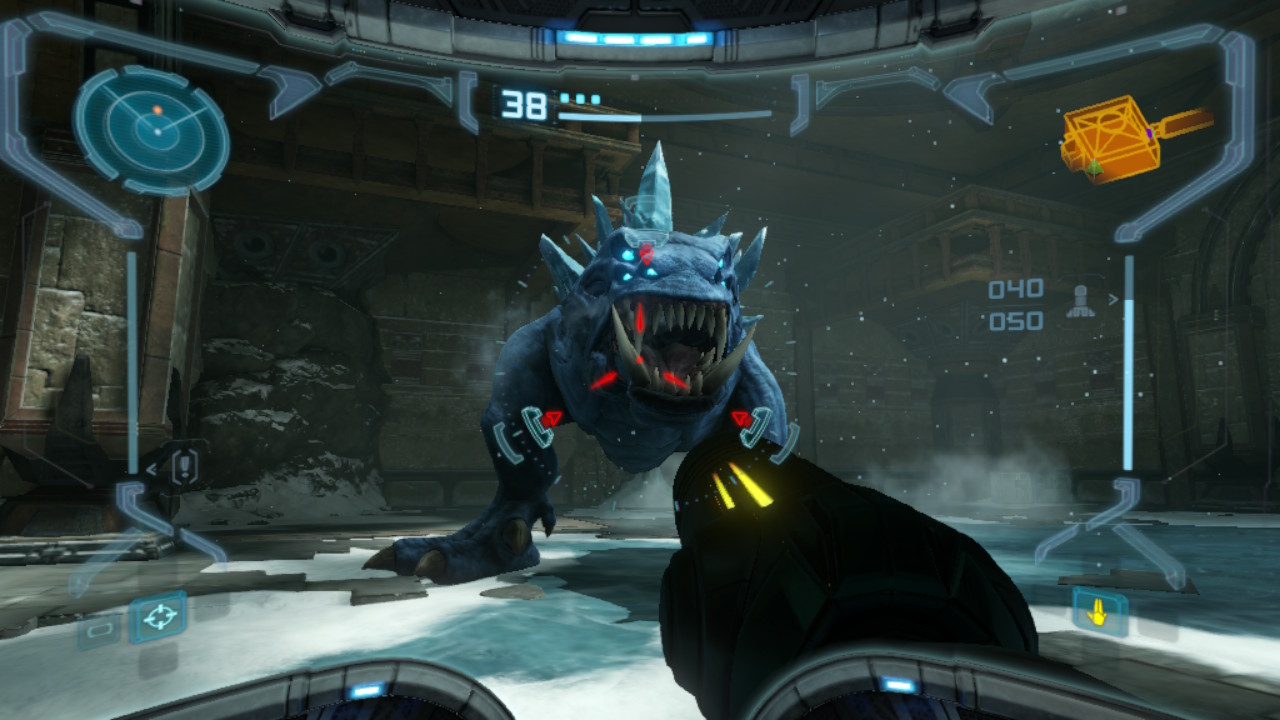
What Nintendo didn’t do caught my attention almost as much as the visuals: they didn’t touch the game design at all. It’s the exact same game that it was in 2002 on the GameCube. It’s a testament to how good the original Prime was, and still is, that with this new graphical makeover, it becomes one of the best games on the Switch. If Metroid Prime Remastered was a new game in 2023, it would be a Game of the Year contender. There are very few 3D action games today, if any, that can equal its combination of atmosphere, isolation, visual presentation, aural presentation, game design, and sense of progression in a world that is wholly alien and hostile, yet stunningly beautiful.
However, for those that were hoping that scanning and backtracking were going to be mitigated in this re-release, it might be disappointing. There is still a lot of it. Although the scanning is still optional, the backtracking is not. There are still no quicksaves either, and the Phazon Mines are just as difficult as you remember them. The Chozo artifact fetch quest at the end of the game is fully intact as well. The only quality-of-life improvements from the GameCube release are the control options. You can play with the classic GameCube setup, dual-analog, motion-controls, or a hybrid of motion-controls and buttons. I went with the classic GameCube setup in handheld mode. It took some time to remember the buttons, but it slowly came back.
If you’re a Metroid fan, you’ve likely already bought and played through Metroid Prime Remastered. If for some reason you haven’t, it’s the Metroid Prime remake Metroid fans dreamed about, but never imagined they would actually get. It’s one of the best games on the Switch, it’s the new standard for remakes and remasters on any platform, it resets the bar for Metroid Prime 4 whenever Nintendo decides to release it, and is still one of the greatest video games ever made. I can’t recommend it enough.
 The Gamer's Standard