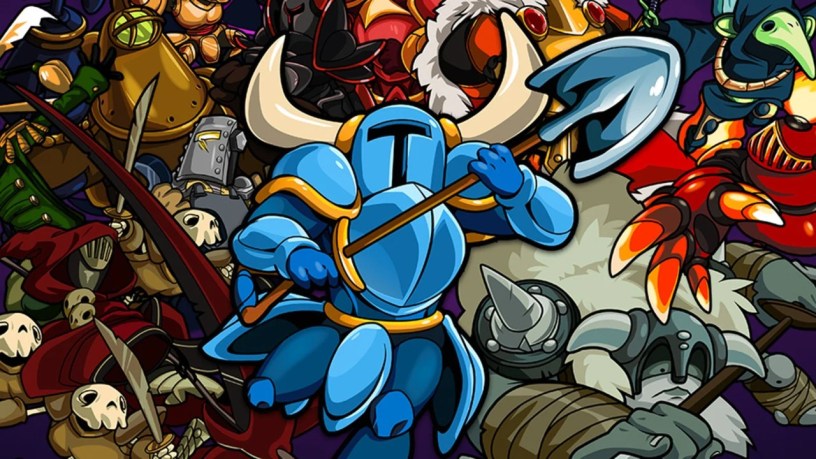
Shovel Knight: Shovel of Hope is the first game in the now long-running and popular Shovel Knight series from Yacht Club Games. Originally released in 2014, there are now numerous sequels and spin-offs featuring the titular character. Drawing on classic 2D platformers in its style and gameplay, from Zelda II to Mega Man to Castlevania to Duck Tales, Shovel of Hope feels and plays very much like the developer wanted to make an homage to the classic games they grew up playing.
The visuals are outstanding. It’s the best looking NES game I’ve ever seen. If it was released in 1988, it would fit right in with the NES/Famicom library. The real NES could never run Shovel Knight, but Yacht Club Games did a fantastic job making it look like it’s a part of that library. It’s like an NES game on steroids. Ditto for the music, which never misses a beat as the soundtrack of Shovel Knight’s adventure. Every pixel on the screen and every note of the music you hear screams ‘we love the NES’. It’s a love-letter. The characters and story are charming and funny. Shovel Knight is valorous as he tries to find his lady friend, Shield Knight. She’s gone missing and Shovel Knight fears the worst. Everyone seems to be against him, even those he once thought of as friends. The writing and presentation are fantastic.
However…
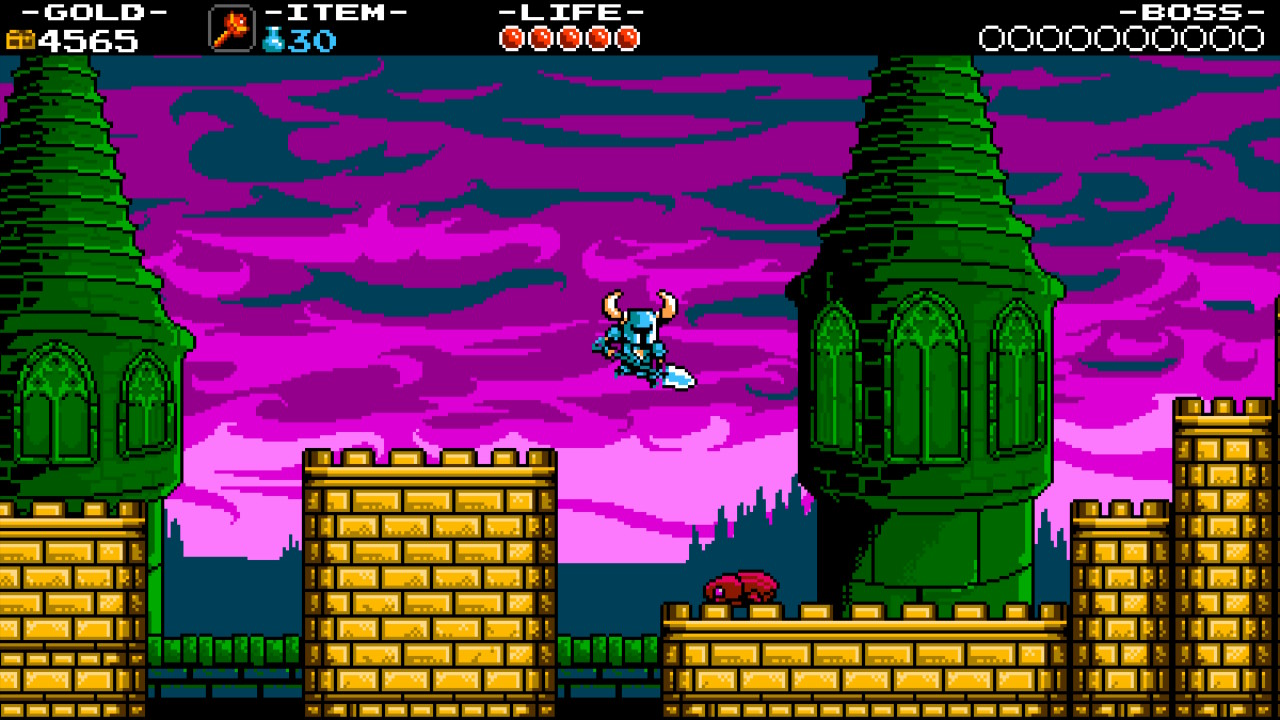
Shovel of Hope could’ve been much better if it went above and beyond the games it’s paying tribute to, and improved on them, instead of just imitating them. The gameplay suffers from the same issues that Ori and the Blind Forest suffers from. Both games nail the presentation visually and aurally, and have an endearing story and characters, but the gameplay left me wanting more.
Shovel of Hope’s whole gameplay loop is giving the player a themed series of platform challenges followed by a boss fight. Interspersed between the platforming is some token combat that is somewhat janky and usually not very challenging.
The platforming relies too much on ‘gotcha’ moments instead of testing the player’s skill. One example of this is towards the end of the game, wherein Shovel Knight will flat-out fall through platforms that appear to be there, but really are not. Of course, common sense would tell you to just not have the platforms there in the first place instead of fooling the player who will die when they try to jump on them. Another example is off-screen enemies frequently swooping in when Shovel Knight is in the air during a jump, doing damage or hurtling him into a pit, or mole enemies flying out from the jewel mounds Shovel Knight digs up: what we used to call ‘cheap difficulty’. The rest of the industry moved past this style of game design decades ago, but apparently Yacht Club Games decided to bring it back, maybe in their quest to be as ‘retro’ as possible. What it really shows is an indie developer that is inexperienced and still getting their legs under them. I never felt like my platforming skill was being tested in Shovel of Hope, but my patience was frequently being tested.
The platforming flaws could be overlooked if it could be said the focus of the game was more on the combat than the jumping challenges. Unfortunately, that’s not true. The combat is tedious and pedestrian. Shovel Knight can do a shovel-thrust to the left and right, and he has his down-thrust move that lets him pogo up and down on enemies, which is the funnest mechanic in the whole game. However, his shovel barely extends out from his body when he strikes left or right, which makes it harder than it should be to not take damage when trying to hit an enemy. That leaves his down-thrust move as his best move, but can result in taking damage or death if he misuses it. He has sub-weapons when he needs them depending on the situation. However, Shovel Knight can’t crouch and attack like in Castlevania, or look up and attack like Contra or Metroid. He does get a power-up that gives him a ranged attack with his shovel if his health is completely full, but overall, the combat is boring.
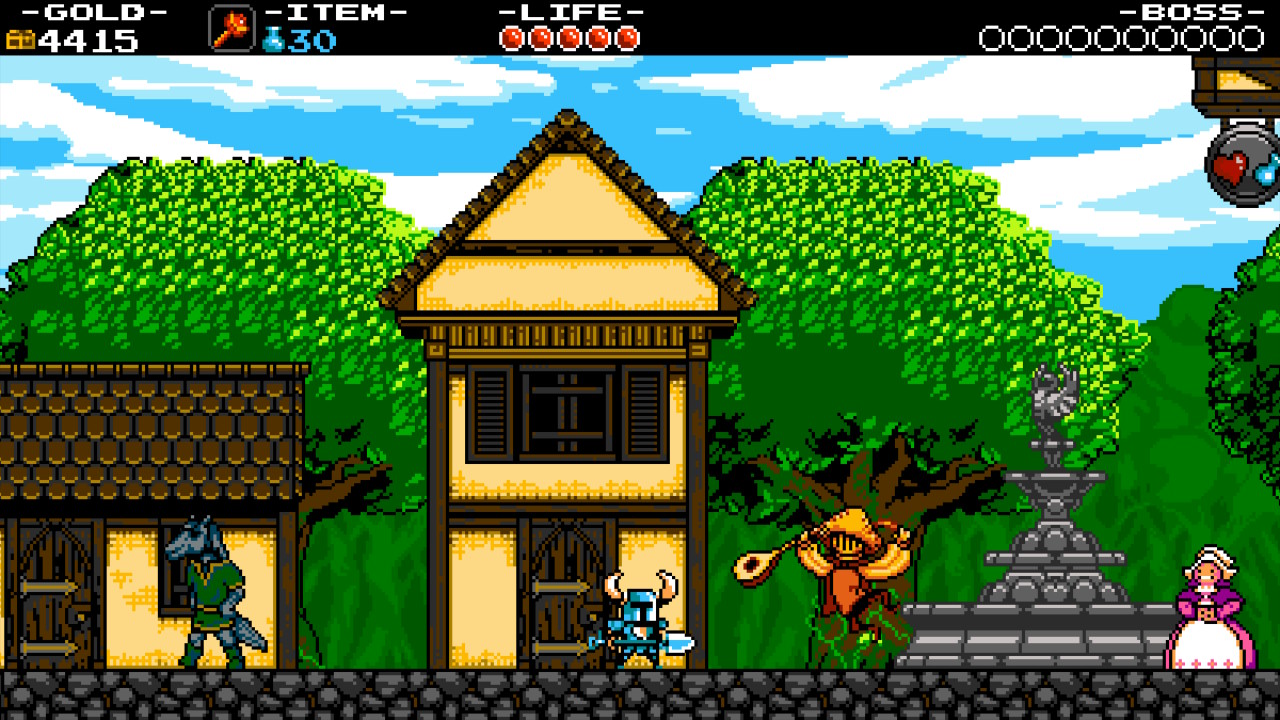
Shovel Knight is constantly collecting jewels and other valuables throughout his adventure, which he can then take and use to buy power-ups. He can increase his health and sub-item meter. He can buy sub-items from a vendor, and there’s a couple blacksmiths that will upgrade his armor for defense and shovel for combat. They never feel significant though. I never noticed much of a difference in Shovel Knight’s strength, armor, or skills when he was fully powered-up at the end of the game from the beginning of the game. The sub-items you buy are useful when you need them, and when you can use them, but the overall character progression is lacking.
What makes a game like Hollow Knight special is that it takes the Metroidvania game design formula that Nintendo and Konami established with Metroid and Castlevania, and lifted it to heights we hadn’t seen before. Other games in the genre have taken the formula and made it their own as well. Shovel of Hope doesn’t do that. It emulates the classics really well, but doesn’t innovate, at least not in its gameplay. As a result, it’s still fun to play as a more modern, shinier version of the games we were playing in the ‘80s and ‘90s, but it doesn’t improve on them. In fact, it embraces some of their worst habits at times.
You get used to the idiosyncrasies of the game the more you play, but I never got to the point where I found myself actively wanting more. I got through the game and beat it. Then I went back and got the music sheets in the different levels that I had missed for 100% completion. That was it. I loved the visuals, music, and story and was glad I got to see the end of it, but I wasn’t craving for more of the gameplay. In fact, I was somewhat glad it was over and was ready to move on.
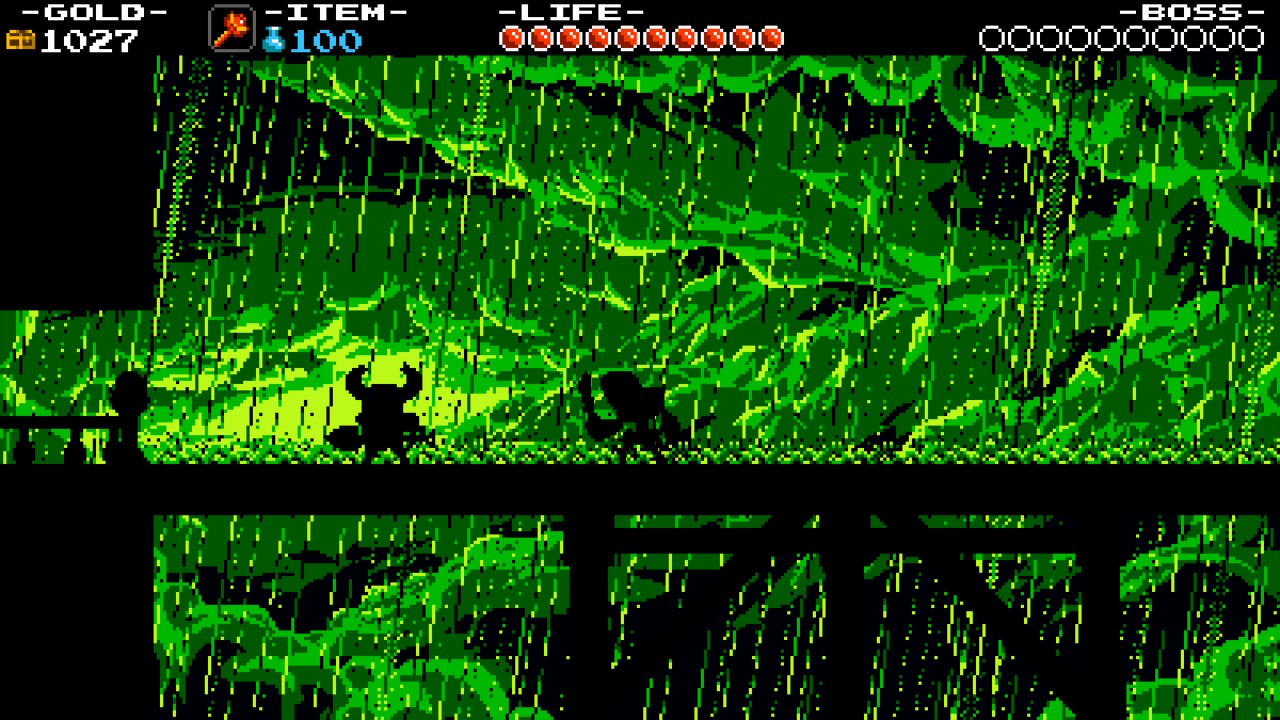
Playing Shovel of Hope is like going to see a tribute band of a group that used to be really popular, that dresses up on stage like the band you loved did back in the good old days, and plays all the classic hits. They may sound good and look good, but it’s just not the same. Mainly because you know the guys on stage aren’t the real band members and what you’re seeing and hearing on stage is just a glorified cover band. That’s basically what Shovel of Hope does, at least in its gameplay. If it did anything in its gameplay to improve on the games it’s imitating, this analogy might not work. Unfortunately, it doesn’t. Here’s hoping the sequels do a better job of innovating rather than imitating.
After everything I’d heard, I was expecting more from Shovel of Hope. However, I love the spirit and characters of the game, and it’s still a serviceable platformer that does a good job of paying tribute to the classics. Its issues are very fixable, and considering how strong the characters and story are, and that this is Yacht Club’s first game as a developer, they did a pretty good job with Shovel of Hope when you look at the overall package. I’m looking forward to the sequels to see what they did differently. Honestly, if you have any nostalgia for NES-era platformers, Shovel Knight’s beautiful pixel-art is worth the price of admission on its own regardless of any mechanical and pacing issues the game has. It’s a really pretty game to look at. Overall: recommended.
 The Gamer's Standard